

Understanding cultural perspectives in gambling A global journey through beliefs and practices

- আপডেট : বৃহস্পতিবার, ২৫ জুন, ২০২৬
- ১ বার দেখা হয়েছে

Understanding cultural perspectives in gambling A global journey through beliefs and practices
The Historical Context of Gambling
The history of gambling stretches back thousands of years, intertwining with the development of human civilization. Ancient societies utilized games of chance for various purposes, from entertainment to religious rituals. For instance, the Chinese played a game similar to keno as early as 200 BC, while the Romans engaged in betting on chariot races. This historical backdrop serves as a foundation for understanding how different cultures view gambling and its significance in their societies. In today’s context, many players turn to platforms like Candyland Casino to experience the thrill of gambling online.
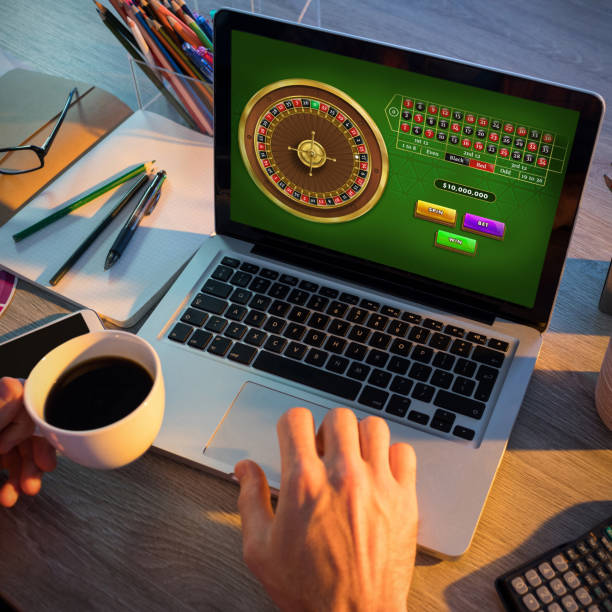
Across different civilizations, gambling has often been seen as a double-edged sword. On one hand, it fosters social interaction and communal activities, while on the other, it can lead to moral and ethical dilemmas. In some cultures, gambling is closely linked to fortune-telling and spiritual practices, illustrating how beliefs influence participation in these activities. For instance, in many Indigenous cultures, gambling has been integrated into rituals that celebrate community bonding.
Moreover, the evolution of gambling reflects broader societal changes. The rise of casinos in the 20th century transformed gambling into a mainstream entertainment option. This shift sparked debates about regulation, ethics, and the impact of gambling on mental health. Understanding this historical context is crucial for comprehending contemporary perspectives on gambling around the globe.
Cultural Beliefs and Gambling Practices
Cultural beliefs significantly shape gambling practices and attitudes worldwide. In some cultures, gambling is celebrated as a form of entertainment, while in others, it is stigmatized and viewed as a vice. For example, in many Asian cultures, gambling is often associated with luck and prosperity, leading to widespread participation during festivals and family gatherings. The Chinese New Year, in particular, features games like mahjong, where playing is not just about winning money but also about fostering connections.
Conversely, Western societies tend to have a more complex relationship with gambling. In some regions, it is closely regulated, while in others, it is a flourishing industry. The legalization of gambling in states like Nevada has created a culture where it is openly accepted, yet concerns about addiction and social impact persist. The dichotomy between acceptance and stigma illustrates how cultural narratives dictate gambling behavior and the associated social norms.
Additionally, indigenous cultures often incorporate gambling into their traditions, viewing it as a means of storytelling and cultural expression. Games like dice play significant roles in rituals and are often connected to ancestral beliefs. This interplay between culture, spirituality, and gambling highlights the diverse practices that exist globally, each reflecting unique societal values and norms.
The Role of Technology in Modern Gambling
The advent of technology has revolutionized gambling, making it more accessible and diverse. Online gaming platforms have emerged, allowing players to engage in various forms of gambling from the comfort of their homes. This shift not only opens up new opportunities for entertainment but also raises questions about regulation, safety, and the potential for addiction. As technology continues to evolve, so too does the way cultures engage with gambling.
Mobile applications have further enhanced accessibility, enabling individuals to gamble on-the-go. This convenience has led to a surge in participation, particularly among younger demographics. However, different cultures respond to this shift differently; some embrace the technological evolution, while others express concerns about its impact on traditional practices and social interactions. The balance between modernization and cultural preservation becomes essential in this context.
Moreover, technology has facilitated the creation of virtual casinos, which mimic the physical experience of gambling. These platforms often incorporate elements from various cultural backgrounds, appealing to a global audience. The challenge lies in ensuring responsible gambling practices are upheld within this virtual space, as the cultural nuances of gambling behavior can vary significantly across regions.
Social Impacts of Gambling in Different Cultures
The social implications of gambling are profound and varied across cultures. In societies where gambling is celebrated, it often serves as a bonding activity, bringing people together for social engagement. However, in cultures where it is viewed negatively, gambling can result in social isolation and stigma. Understanding these dynamics is crucial for fostering healthy attitudes towards gambling and addressing its challenges.
In many cultures, gambling is linked to economic opportunities, particularly in areas where tourism is a significant part of the economy. Casinos can create jobs and stimulate local economies, yet they can also lead to issues such as problem gambling and financial distress. The challenge for policymakers is to strike a balance between harnessing the economic benefits of gambling and protecting vulnerable populations from its negative impacts.
Furthermore, social perceptions of gambling can influence public policy and regulation. In countries where gambling is associated with negative connotations, such as addiction and crime, stricter regulations are often enforced. In contrast, cultures that view gambling as a harmless pastime may adopt a more liberal approach. This variance highlights the need for culturally sensitive policies that consider local beliefs and practices surrounding gambling.

Exploring Online Gaming with Candyland Casino
As we delve into the modern landscape of gambling, platforms like Candyland Casino exemplify the evolution of online gaming. Offering a secure and immersive gaming experience, this online casino presents over 500 games, including slots, table games, and live dealer options. New players are often drawn in by enticing welcome bonuses and ongoing rewards systems, creating a dynamic gaming environment that appeals to a broad audience.
Candyland Casino prioritizes user security through advanced encryption and regulatory compliance, ensuring that players can enjoy their gaming experience without concerns about safety. This focus on security is crucial, especially as gambling increasingly moves into the digital realm. The platform also reflects a global perspective, catering to diverse cultural backgrounds and gaming preferences, thus broadening its appeal.
Ultimately, understanding cultural perspectives in gambling enriches our appreciation of how beliefs and practices vary globally. As online platforms like Candyland Casino continue to shape the industry, it is essential to recognize the cultural contexts that influence gambling behaviors and attitudes. Engaging with these perspectives can help create a more inclusive and responsible gaming environment for everyone.
গণমানুষের মক্তমত
দেবিদ্বারের জনমত
Debidwarer Janomot
www.debidwarerjanomot.com
প্রধান উপদেষ্টা-
সাংবাদিক, লেখক, মুক্তিযুদ্ধ বিষয়ক গবেষক - এবিএম আতিকুর রহমান (বাশার)
সম্পাদক ও প্রকাশকঃ মোঃ আহম্মেদ হোসেন
প্রধান সম্পাদকঃ রুহুল আমিন হাজারী
নির্বাহী সম্পাদক-
মোঃ রফিকুল ইসলাম হাজারী (রিপন)
কুমিল্লা-সিলেট মহাসড়ক পার্শ্বে
পৌর-৭নং-ওয়ার্ড,হোল্ডিং নং-২২
(হাজী বাড়ি),
চাপানগর,দেবিদ্বার-কুমিল্লা।
০১৮১৪৯১৯৪৩১,০১৭৮২১৮৭৬৪৭
Email- newsdebidwarerjanomot@gmail.com
web: www.debidwarerjanomot.com